
Social Platforms Are the Roads. Your Website Is Home
What a website I built in 1999 taught me about digital ownership, online visibility, and building a business that lasts.
Imagine spending years building a beautiful home. You carefully choose the furniture, decorate every room, welcome visitors, and create a place where meaningful relationships can grow.
Now imagine discovering that someone else owns the land beneath it. They can change the rules, restrict access, or close the road leading to your front door. Unsettling, isn’t it? Yet that’s remarkably similar to how many entrepreneurs build their online presence today.
They invest countless hours creating content for Facebook, LinkedIn, Instagram, TikTok, and other social platforms. They celebrate every new follower, every like, every share, and every comment. And there’s absolutely nothing wrong with that. Social platforms are wonderful tools for discovery, connection, and community building.
The problem begins when we confuse being visible on someone else’s platform with owning our online presence. Because here’s a principle I’ve believed in for many years:
Social platforms are the roads. Your website is home.
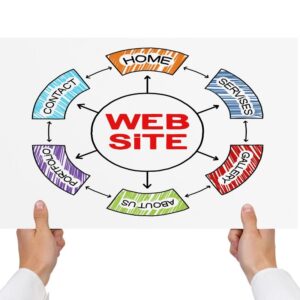 The roads help people discover you. But your home is where you establish your identity, demonstrate your expertise, build relationships, and create lasting value.
And I learned that lesson long before social media became part of our everyday lives.
My First Website: A Digital Journey That Began in 1999
My introduction to technology actually began in the corporate world. As an accounting supervisor, I participated in implementing and integrating our organization’s first computerized system. It was a significant transition.
Employees who had spent years working with familiar processes suddenly had to learn new ways of doing their jobs.There was apprehension, resistance, and plenty of uncertainty. But that experience taught me something valuable: technology is most powerful when people understand how to use it to improve what they do.
Years later, while still working full-time, I discovered the possibilities of the emerging World Wide Web. In 1999, using Microsoft FrontPage, I built my first website.
It wasn’t about becoming famous online. There were no Instagram followers to attract, no LinkedIn impressions to measure, and no algorithms to satisfy in the way we understand them today.
I simply had a passion for philately, particularly topical stamp collecting, and recognized an opportunity to connect with people who shared that interest. Traditionally, many stamp collectors organized their collections by country.
We took a different approach. We specialized in themes: animals, birds, flowers, historical figures, transportation, and countless other subjects represented on postage stamps. It was a niche within a niche.
And the internet gave us something extraordinary: the ability to reach collectors beyond our immediate geographic area. What began as a side venture developed into a business. During weekends and vacation periods, we traveled to stamp shows across Canada and the United States, meeting collectors and building relationships.
Our website became an important part of that business. Then, in 2007, we sold the business, including its website and inventory. But here’s where the story becomes particularly interesting.
In 2026, the website is still online under the same domain name. Twenty-seven years after I first created it, and nineteen years after the sale, its current owner continues to renew the domain. The business changed hands. The technology evolved. The digital world transformed beyond recognition.
But that original digital address endured. Looking back, I realize we hadn’t simply created a website.. we had built a transferable business asset.
The website was part of something that another person considered worth acquiring. That experience shaped how I think about digital ownership to this day.
But There’s Another Side to This Story
Every now and then, I revisit that original website. And something catches my attention. I still recognize content I created many years ago. Some sections appear to have changed very little. On one hand, there’s something rather touching about seeing pieces of my early work still online. On the other hand, it reminds me of an equally important lesson.
Owning a digital asset is not the same as actively developing its value.
 The fact that a website remains online doesn’t necessarily mean it’s attracting visitors, generating revenue, meeting today’s technical standards, or fulfilling its business potential. I don’t have access to the current owner’s analytics or financial results, so I wouldn’t presume to judge how well the business is performing.
But the visible age of some of the content raises an important question for every website owner:
Are you simply keeping your website online, or are you continuing to make it useful?
Think of a physical home. You purchase the property. You own the land. You have the keys. But what happens if you never maintain the roof, update the electrical system, repair the windows, or make the home more welcoming?
The house may still be standing twenty years later. But is it still serving your needs? The same principle applies to your website.
Digital ownership provides a foundation. Ongoing stewardship helps preserve and develop its value. And that brings us to the heart of this article.
- Social Platforms Are the Roads, Not the Destination
Social media has transformed how entrepreneurs reach potential customers.
A single LinkedIn post can introduce your expertise to hundreds or thousands of people. A Pinterest pin can lead someone to discover a helpful article. A Facebook conversation can develop into a meaningful professional relationship.
These opportunities are valuable. But social platforms operate according to rules established by their owners. Their algorithms determine much of what people see. Their policies govern what can be published. Their business priorities influence how content is distributed.
And those conditions can change. Your organic reach may decline. A feature you relied upon may disappear. Your account may be restricted, suspended, or compromised. Even a platform’s popularity can shift as audiences move elsewhere.
That’s why I encourage entrepreneurs to think of social platforms as pathways to their digital home rather than substitutes for it.
Use them to start conversations, demonstrate your expertise, and help people discover your work. But whenever appropriate, give those people a reason to visit your website. A place where they can learn more about you without depending entirely on the next algorithm update.
- Your Website Is the Home You Build
Your website is more than an online brochure. It’s the central destination where your business identity, expertise, products, services, and content can come together. And when you own your domain name and maintain control over your website’s content and infrastructure, you gain important advantages.
You can decide how your brand is presented, organize your content around your audience’s needs and introduce new services, publish educational resources, create opportunities for visitors to take the next step.
You can also redesign, improve, or migrate your website as your business evolves. Of course, owning a website doesn’t mean being completely independent of outside providers. You may still rely on a domain registrar, hosting company, content management system, payment processor, or other services. But with the right arrangements, you retain far greater control over your digital presence than you would by relying exclusively on a social media profile.
Your domain name is your digital address. Your website is the home you build at that address. And both deserve thoughtful management.
- Your Email List Is the Invitation to Return
Imagine welcoming someone into your home, having a wonderful conversation, and then having no way to reconnect. That’s often what happens when someone engages with your content on social media but never establishes a more direct relationship with your business.
They may enjoy your post today and never see another one. An email list offers a different opportunity. When someone voluntarily subscribes to your newsletter, they’re giving you permission to communicate with them directly.
You can share helpful resources, announce new articles, offer insights, and continue developing the relationship over time. Unlike social media followers, a properly managed subscriber list can generally be exported and transferred between email service providers, subject to applicable privacy laws and platform requirements.
That doesn’t mean you own the people on your list. You don’t.
You own and manage a permission-based communication asset, while your subscribers retain control over whether they want to hear from you.
That’s an important distinction.The real value of an email list isn’t the number of addresses it contains. It’s the trust you’ve earned from the people who invited you into their inboxes.
- SEO Helps People Find the Way Home
Having a website is an excellent starting point. But even the most beautiful home is difficult to visit if nobody knows where to find it. That’s where search engine optimization, or SEO, becomes important.
SEO helps search engines discover, understand, and present your content to people looking for relevant information. It involves more than inserting keywords into pages. Good SEO begins with understanding your audience.
What questions are they asking, problems they are trying to solve, information that would genuinely help them?From there, you can create useful content, organize your website logically, improve its technical performance, and make it easier for both people and search engines to navigate.
Search engines, like social platforms, operate through systems you don’t control. Rankings can change, traffic can fluctuate. That’s why SEO shouldn’t be your only source of visitors either, but when combined with social media, email marketing, referrals, and other channels, it can become an important part of a diversified visibility strategy.
Social media creates pathways. SEO helps people discover the address. Your website gives them a reason to stay.
- A Digital Home Needs Regular Maintenance
Remember my original website from 1999? Its continued existence illustrates the durability that a domain and website can offer. But the content I still recognize from decades ago illustrates another lesson: a website shouldn’t automatically be considered finished simply because it’s published. Your digital home needs ongoing attention.
That includes:
- Content relevance: Review articles, service pages, resources, and product information to ensure they remain accurate and useful.
- Technical maintenance: Keep your website software, themes, plugins, and integrations updated and supported.
- Security and backups: Protect your website and maintain recoverable copies of important files and data.
- User experience: Make navigation intuitive, pages accessible, and information easy to find.
- Search visibility: Monitor indexing, technical issues, and opportunities to improve existing content.
- Performance measurement: Use analytics and other appropriate tools to understand how visitors find and interact with your website.
- Conversion opportunities: Make it easy for visitors to subscribe, contact you, book a consultation, or purchase when they’re ready.
Not every website needs a complete redesign every year. In fact, constantly changing things without a clear purpose can create unnecessary work.
What matters is developing a consistent habit of reviewing, maintaining, and improving your digital assets. A well-maintained website can continue supporting your business long after an individual social media post has disappeared from people’s feeds.
- Digital Ownership Is Also About Business Resilience
There’s another reason I believe so strongly in building digital assets you control… resilience.
Imagine that tomorrow your primary social media platform experiences a major disruption. Would potential customers still be able to find your business? Could existing customers reach you? Would you have another way to communicate with your audience? Could you continue selling your products or services?
If your entire business depends on one platform, the answers may be uncomfortable, but if you’ve developed a website, built a permission-based email list, diversified your traffic sources, and maintained your business data, you’re in a stronger position to adapt.
No digital asset is completely risk-free. Websites can experience outages. Email deliverability can change. Search traffic can decline. Technology becomes outdated.
The goal isn’t to eliminate every dependency, it is to avoid placing the future of your business entirely in someone else’s hands.
That’s what digital resilience is about.
- Build an Ecosystem, Not a Collection of Disconnected Platforms
One of the most common mistakes I see entrepreneurs make is treating every marketing channel as a separate activity.
They publish on Facebook because they feel they should, on LinkedIn because someone told them it’s important. They start an email newsletter but struggle to find time to write it. Meanwhile, their website sits quietly in the background. What if all these activities worked together?
Imagine publishing a helpful article on your website. You then share a key insight from that article on LinkedIn, perhaps accompanied by a question that encourages discussion, create a visual takeaway for Pinterest, share a personal reflection on Facebook, and send your email subscribers a thoughtful introduction with a link to the complete article.
One central piece of content becomes the foundation for several meaningful interactions. Each platform serves a purpose, each activity contributes to a larger strategy and your website remains the central destination where people can explore your expertise in greater depth.
That’s the difference between simply being active online and building an intentional digital ecosystem.
- Five Questions Every Entrepreneur Should Ask
If you’re building an online business, coaching practice, consulting service, or creative brand, take a few minutes to evaluate your digital foundation.

- Do I own and control my domain name?
Make sure the domain is registered through an account you control, that your contact information is current, and that you understand its renewal arrangements.
- Can I access and move my website content?
Understand where your website is hosted, who controls the administrative accounts, and whether you can export or migrate your content if necessary.
- Am I building an email list with proper permission?
Give interested visitors a clear opportunity to subscribe, and make sure your email practices respect applicable consent and privacy requirements.
- Am I relying too heavily on one traffic source?
Review where your visitors come from. Consider whether a change in one platform could significantly affect your business.
- When did I last review and improve my website?
Check your content, functionality, security, visitor experience, and business goals.
These five questions won’t solve every online marketing challenge, but they can reveal whether you’re building a business with a solid digital foundation or relying on systems over which you have limited control.
Your Digital Home Is Worth Building
When I created my first website in 1999, I couldn’t have imagined how dramatically the internet would evolve. There was no Facebook, no Instagram, no LinkedIn, and certainly no generative AI as we know it today. Yet that website helped turn a personal passion into a business. We eventually sold that business in 2007. And today, the original domain is still being maintained by its current owner. That experience taught me the potential value of creating something you control.
Revisiting the website years later taught me something else: ownership is the beginning, stewardship is what helps an asset remain useful over time.
So by all means, embrace social media. Build connections. Share your knowledge. Participate in conversations. Explore new technologies and opportunities, but don’t confuse the roads with the destination.
Build a digital home that reflects who you are, serves the people you want to help, and gives your business room to grow. Then take care of it, because ultimately, the goal isn’t simply to attract more visitors. It’s to create something worth visiting, returning to, and perhaps even passing on.
Social platforms are the roads. Your website is home.
Own the address. Build the home. Keep the lights on.
Your Next Step
When was the last time you looked at your website through the eyes of a first-time visitor? Does it clearly explain who you help, what you offer, and why someone should trust you? Is your content current? Is your navigation intuitive? Can visitors easily take the next step?
And perhaps most importantly:
If your favorite social media platform disappeared tomorrow, would your business still have a home?
If these questions have you thinking about your own digital presence, explore my website planning and online visibility resources here at JaniceDugas.com.
To Your Success!
Janice
Online Visibility & Content Optimization Strategist
~~~
Janice Dugas, Online Visibility & Content Optimization Strategist helps local businesses and solopreneurs reach a larger audience and grow their revenue by improving web presence and visibility. Claim your free copy of her focu Boost Your Digital Presence: 11 Steps To Increase Your Online Visibility to build credibility and profitability!
Comments
Social Platforms Are the Roads. Your Website Is Home — No Comments
HTML tags allowed in your comment: <a href="" title=""> <abbr title=""> <acronym title=""> <b> <blockquote cite=""> <cite> <code> <del datetime=""> <em> <i> <q cite=""> <s> <strike> <strong>